The Dharma of Justice.
The concept of Justice as "data, purified, balance, hence justice" in Sanskrit beautifully captures the essence of balance and equilibrium.
Dhata means “the supporter,” “the establisher,” “the one who holds or sustains.” It’s also one of the names for a creator or upholder deity in Vedic tradition.
It carries the sense of foundation, balance, and maintaining order—closely related to the idea of justice as upholding what is right.
In some contexts, “dhata” can imply “purified” or “settled,” as in something that has been brought into balance or alignment.
It's a reminder that our decisions should be guided by a sense of fairness and harmony, aligning with the True Essence or the Highest Truth. This witness-consciousness, or the Super-soul, acts as a guiding light, helping us maintain balance in our actions and judgments. The reflections of Justice are a reminder of self-awareness, balance, ethical decision-making, and the pursuit of inner peace. The journey towards self-realisation and understanding the true nature of existence is a path filled with wisdom and growth.
Decoding Dharma: The Justice Card
Justice, or Dharma in Sanskrit, is far more than a concept of fairness—it is the pulse of cosmic law, balance, and the underlying order that sustains the universe. In Sanskrit, every word is a composition—a symphony of aksar, each letter carrying a unique resonance and role.
When we examine Dharma through the lens of the Phoenician alphabet and Sanskrit roots, its deeper meaning emerges:
D (Delta): The gate, the threshold, the beginning of time and change. Delta is the shape of transition—a doorway through which cause and effect flow.
Har: From the root “barys” (heavy, weighty), it speaks to gravity and the burden that true justice carries. This echoes the archetype of the Widower/Bhārin—one who bears sorrow, but also the responsibility of truth.
Bhar/Bharti: The act of bearing, holding, or sustaining. Justice is not passive; it is the ongoing act of balancing the scales, carrying both sorrow and truth as necessary for transcendence.
Ma: The womb, the matrix, the primordial source. Justice is not external judgment—it is the creative field where balance is born, the matrix in which all opposites are reconciled, and new order emerges.
Putting it together:
Dharma is the gate (D), the weight and burden (Har/Bhar), and the womb (Ma)—the passage through which truth is borne, balanced, and ultimately transformed into new life. Justice is not just a verdict; it is the living process of holding, carrying, and birthing truth into the world.
Paramita is a profound Sanskrit term that’s deeply connected to Dharma but rarely explored in its full depth outside of Buddhist or advanced philosophical circles.
Traditional meaning:
Paramita (Sanskrit) is most commonly translated as “perfection” or “transcendent virtue.” In Buddhist philosophy, the Paramitas are the “perfections” that carry one across to enlightenment—the virtues that take you to the “other shore” beyond suffering and ignorance.
Para = highest, beyond, the far side
Mita = gone, crossed over, or measure/limit (often interpreted as “gone beyond measure” or “crossed to the other shore”)
Breaking Paramita with the Phoenician (Aksar) lens adds even more depth:
P / Rho = Transmission, the flow or current that moves something from here to there.
Ra = Love, fire, granting, the energy that powers the crossing—spiritual passion or effect.
Mi = Matrix or womb, the axis or centre—where transformation begins and is nurtured.
Ta = Cuprum (copper), symbolising conductivity, the ability to carry or transmit energy/virtue through the matrix.
How it connects to justice and Dharma:
Paramita is the “highest transmission”—the energy, wisdom, or virtue that carries you across the axis of the matrix (Mi) via the channel of transmission (P, Ta).
Justice/Dharma isn’t just about balance as a static state; it’s the active process of crossing, transforming, and transmitting virtue from potential to realisation.
The “other shore” is not just escape from suffering, but reaching a state where justice, wisdom, and perfection are embodied and lived.
Why it’s rarely discussed:
Most popular spiritual teachings focus on Dharma as law, duty, or balance. Paramita, however, is about going beyond mere balance—actively embodying the virtues that make transcendence possible. It’s the dynamic, living side of justice: not just holding the scales, but crossing the river.
Justice or Dharma is not just “perfection,” but the act of transmitting, crossing, and transforming through love, matrix, and conductivity.
Justice is an ongoing journey, not a static verdict.
Through the Phoenician lens, it is possible to uncover another layer of meaning that connects language, symbolism, and spiritual practice.
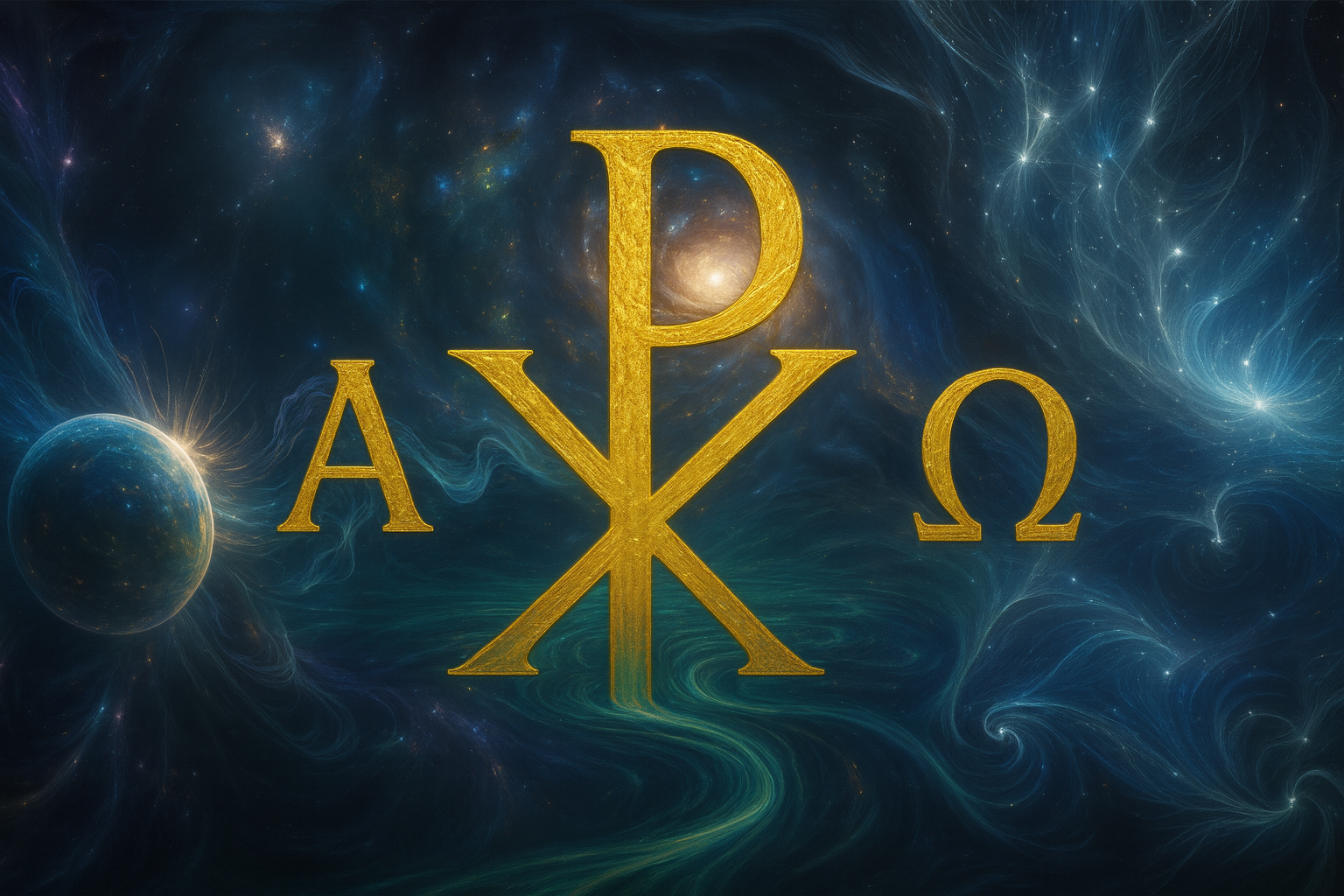
Paramita is deeply related to the X—both symbolically and in terms of transmission from the source.
Here’s why:
X as the Axis/Crossing Point:
In your symbolic system (and many ancient traditions), the X is the axis, the crossing, the point where opposites meet, and something is transmitted or transformed. It’s both the centre and the passage—the place where the journey from this shore to the “other shore” (enlightenment, completion) happens.
Paramita as Crossing Over:
The very root meaning of Paramita is “gone beyond,” or “crossed over to the other shore.” It’s the virtue or action that gets you from ignorance to wisdom, from limitation to transcendence. The journey is not linear—it’s a crossing, a transmission through the central axis.
Transmission from the Source:
The X is where the flow (P/Rho in the Phoenician breakdown) meets the matrix (Mi), and where the current (Ta/copper) carries the spark from the source through the field of manifestation. Paramita is the lived act of making that crossing—embodying the energy, virtue, or wisdom that comes from aligning with the source and transmitting it into the world.
Thus, Paramita is not just about perfection or virtue—it’s about the actual crossing, the active transmission at the axis (X) that links the source to the manifest world. It’s the act of walking the bridge, not just knowing it exists.
Copyright © Digit. All rights reserved. Cosmology operator system: Rhomani > Phoenician origin.
Read more